
Telerik Report Server
What's New 2026 Q2
What's New HistoryWhat's New 2026 Q2
Telerik Report Server Rendering Engine Performance Improvements
The Reporting engine powering Telerik Report Server receives targeted performance optimizations for PDF and HTML output, delivering significantly faster cold-start rendering times and lower memory consumption across typical report workloads. IT teams hosting Report Server will see reduced resource usage per scheduled task and on-demand report execution — with no changes required to existing report definitions or server configuration. The result — organizations can handle higher report volumes and denser scheduling with the same infrastructure.
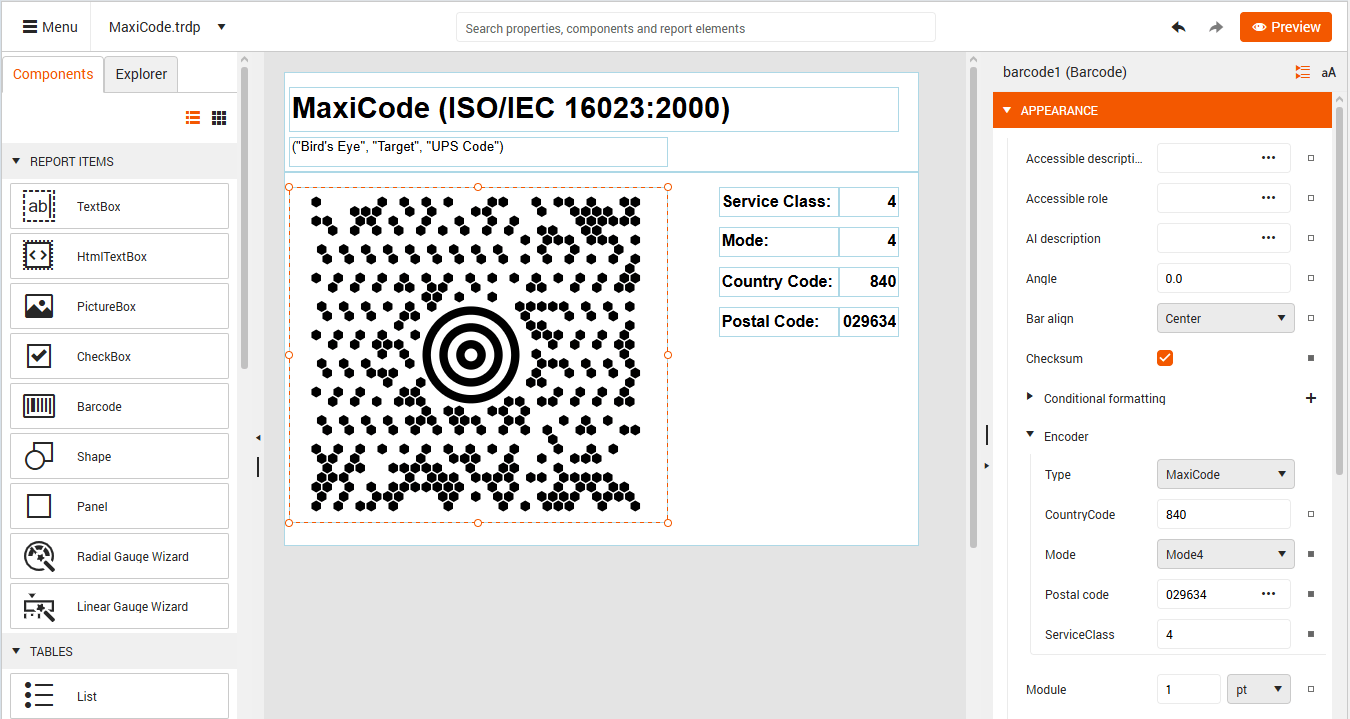
Telerik Report Server MaxiCode Barcode Support
Reports managed in Telerik Report Server can now include MaxiCode barcodes (ISO/IEC 16023:2000), giving logistics and shipping teams a single, centralized platform for both business reporting and UPS-compatible label generation. MaxiCode symbols render accurately across all Report Server export formats — PDF, Image, HTML, XAML, DOCX, and RTF — and can be scheduled for automated delivery or triggered by data alerts like any other report. The result — high-volume shipping operations no longer need a separate tool for label production; it'sall managed, governed, and distributed from one place.
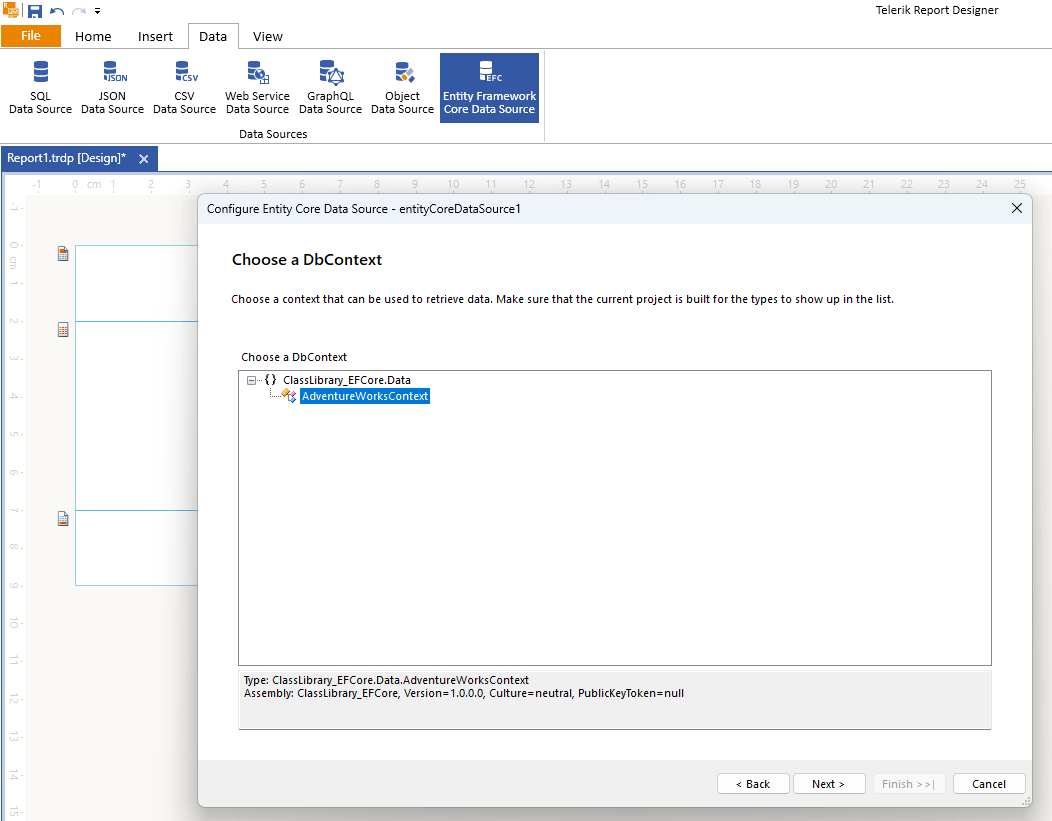
Telerik Report Server Entity Framework Core Data Source
Telerik Report Server for .NET now natively supports reports built on Entity Framework Core, enabling IT administrators to centralize the scheduling, distribution, and governance of EF Core-powered reports without any custom infrastructure. Registering an EF Core assembly follows the same familiar deployment model as ObjectDataSource — drop it into the Report Server host, configure access, and the data source becomes available across the platform. The result — organizations that rely on EF Core as their primary data layer can bring their business data into a governed, centralized reporting environment without workarounds or compromises.
See the Telerik Report Server Entity Framework Core Data Source Documentation
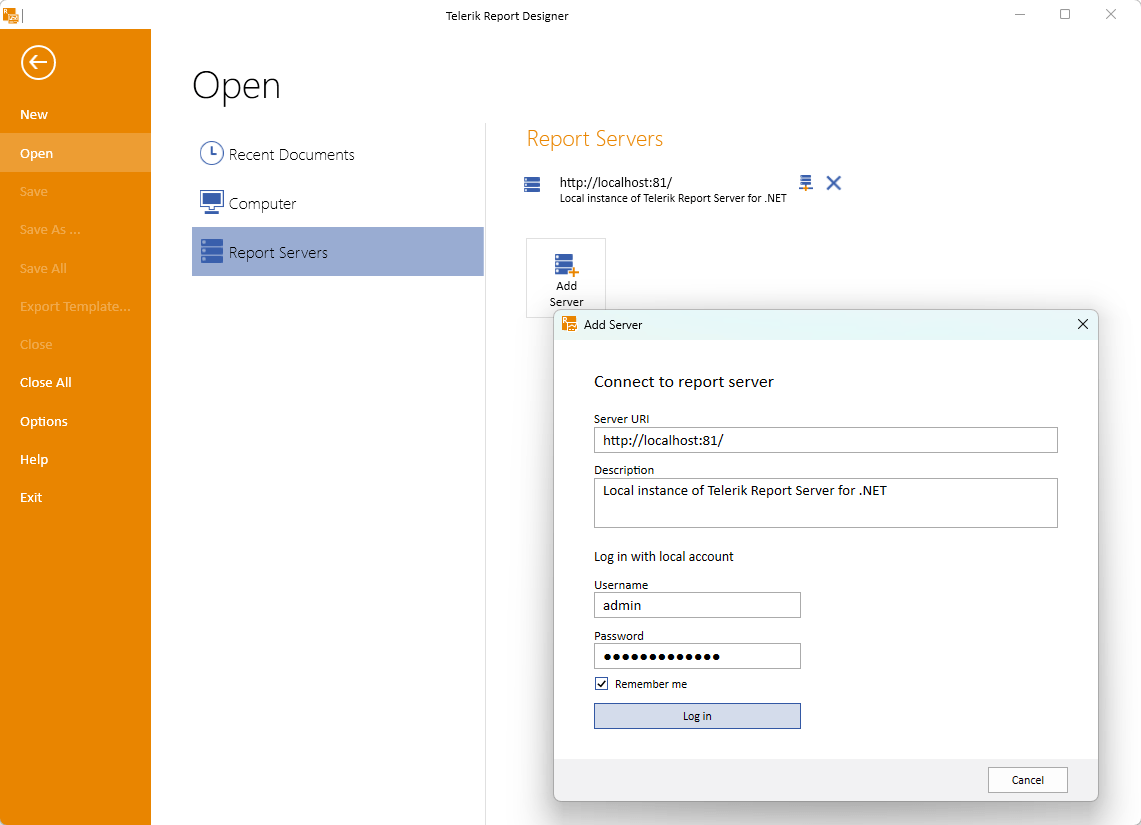
Telerik Report Server SRD.Net Connectivity
Telerik Report Server for .NET now supports secure, native connectivity with the Standalone Report Designer for .NET, giving report authors a direct path from design to publish without leaving the authoring tool. The legacy plain-text credential flow has been replaced with a safer sign-in approach — client-side credentials are stored more securely, reducing exposure compared to plain-text local storage, while federated identity providers like Azure AD are supported and role-based access controls are respected throughout. The result — organizations get a seamless, trusted authoring-to-publishing workflow that aligns with enterprise identity standards, with no manual file uploads or risky local credential handling.
Telerik Report Server Improvements
Telerik Report Server now enforces strict permission checks across nested sub-reports, closing a gap where users without explicit read access could inadvertently view sensitive data through a parent report. A new "Allow Reading Sub-Reports" permission gives IT administrators fine-grained control — sub-reports are blocked by default, and permissive behavior can be selectively enabled at the specific report, category, or global scope without touching existing roles. The result — security-conscious organizations and compliance-driven teams can enforce true least-privilege data access boundaries across even complex multi-level report hierarchies.
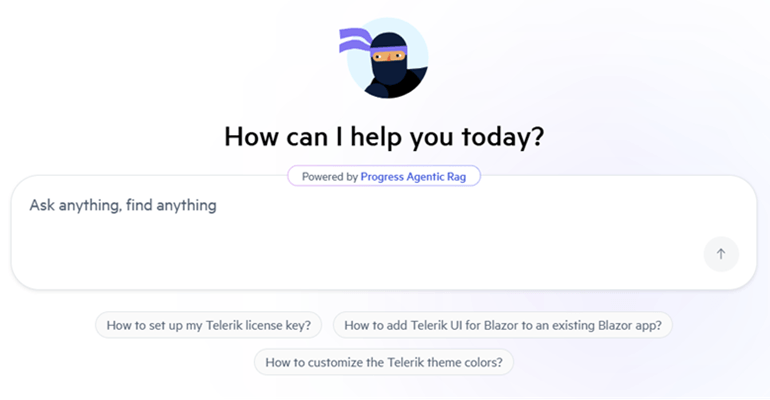
Integrated AI Chat in Telerik and Kendo UI Documentation
Telerik and Kendo UI documentation pages now support an integrated AI Chat, allowing you to easily ask questions and receive instant, context-aware answers directly within the page. The assistant helps you quickly locate relevant information, understand features, and explore related topics without interrupting your workflow. By combining search and conversational guidance, it streamlines navigation and improves productivity when working with components and APIs.
What's New 2026 Q1
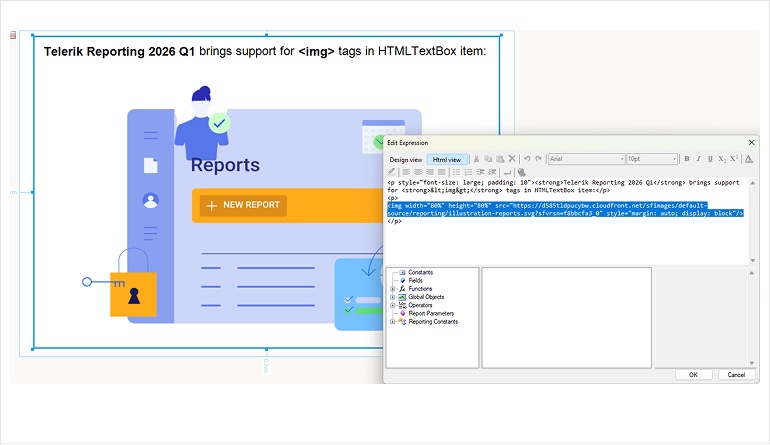
Inline Image Support in HtmlTextBox
The HtmlTextBox now supports inline images via the <img> tag, allowing report authors to embed static or data-driven images directly within HTML-formatted content. This enhances layout flexibility, reduces the need for separate image elements and ensures consistent rendering across all output formats that support rich text. The result - report authors can create richer, more compact report layouts with fewer visual elements to manage.
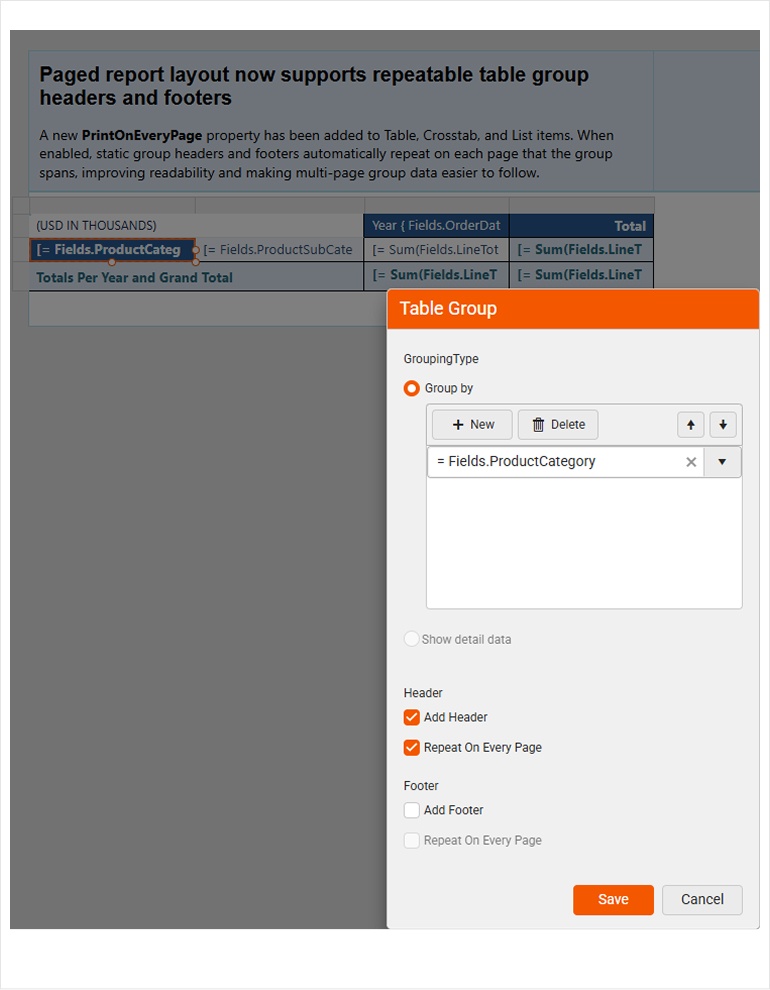
Repeating Table Group Headers
Table groups now support repeat-on-every-page behavior, giving report authors finer control over table layouts. This improvement enhances readability for multi-page reports and helps meet common reporting and compliance requirements, so readers can more easily interpret long tables without losing context across pages.
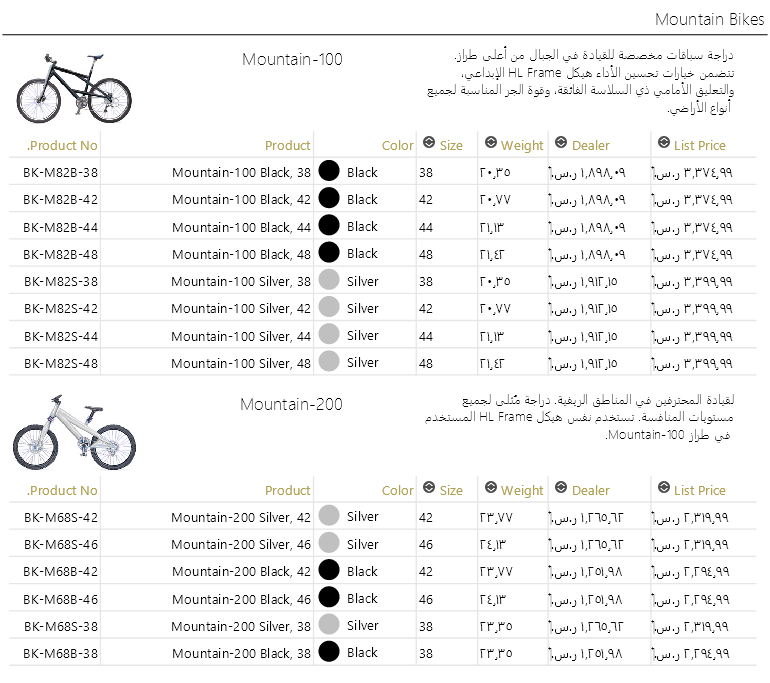
BiDi Text Support in Report Server for .NET
Telerik Report Server for .NET now includes Unicode Bidirectional (BiDi) text layout support in its Skia-based rendering engine. Mixed RTL and LTR text is rendered in the correct visual order, improving readability and accessibility for multilingual reports across major rendering formats.



Next Steps
See Report Server in action and learn what it can do out of the box.
Check out the offers.
Try Report Server with dedicated technical support.