or
4 answers
1.2K+ views
Not sure if doing something wrong but mouse double click input bindings does not appear to work on the grid view (if I hook up an event it works, but don't really want to have event code behind in view:) is this suposed to function? NB using .NET 4
I should mention that this works on the header cell to the top left of the control but not the actual data cells themselves - and when the input bindings are against the <telerik:GridViewDataColumn.InputBindings> it does not work either
I should mention that this works on the header cell to the top left of the control but not the actual data cells themselves - and when the input bindings are against the <telerik:GridViewDataColumn.InputBindings> it does not work either
<telerik:RadGridView x:Name="ResultsView" IsReadOnly="True" ItemsSource="{Binding Path=Dossiers,Mode=OneWay}" AutoGenerateColumns="False" SelectedItem="{Binding CurrentDossier, Mode=OneWayToSource}" Grid.Column="0" Grid.Row="1"> <telerik:RadGridView.InputBindings> <MouseBinding MouseAction="LeftDoubleClick" Command="{Binding SearchCommand}" CommandParameter="{Binding ElementName=ResultsView,Path=SelectedCells,Mode=OneWay}"></MouseBinding> </telerik:RadGridView.InputBindiIngs>
Ivan Ivanov
Telerik team

answered
on
25 Jul 2016
1 answer
236 views
hello Telerik,
I'm trying to use RadWindow AS user control
I'm having a problem with RadWIndow's Show() method.
I was going over your 'Use RadWindow as User Control' explanation and there is a part where is says :
RadWindowControl window = new RadWindowControl();
window.Show();
in my code, the way that my RadWIndow (CapabilityLayer) created is from ResourseDictionary:
<ResourseDictionary>
<DataTemplate DataType="{x:Type localVM:CapabilityViewModel}">
<localVIew:CapabilityLayer/>
</DataTemplate>
</ResourseDictionary>
I'm only using "new" in order to create CapabilityViewModel but CapabilityLayer is automatically created, this is why I dont know where to invoke the Show() method I dont have instance to CapabilityLayer.xaml .
at the moment no errors or exceptions it just that the window is not shown
I tried to invoke Show() in the RadWindow's OnLoad event but it still no show.
I tried to find the radwindow through Application.Current.Windows but I didnt find it there.
where is the right place to put this method ? I saw that some time it is recommended to use ShowDIalog() what is the different? Show() is where RadWindow create or it is only some kind of visibility set?
thank you
Yana
Telerik team
answered
on
25 Jul 2016
2 answers
957 views
I write C# WPF MVVM Prism 6 modular application. One of the modules has a view (Prism UserControl) with RadChartView. In this module I add references to the following assemblies: Telerik.Windows.Controls (ver. 2016.2.613.45), Telerik.Windows.Controls.Chart (ver. 2016.2.613.45), Telerik.Windows.Data (ver. 2016.2.613.45). (Just recently I upgrade Telerik binaries to the new version.) Then I add RadChartView into a view (Prism UserControl) that is in this module. But when I navigate to this view (where RadChartView is) then System.Windows.Markup.XamlParseException exception in PresentationFramework.dll has place. The error text is: Could not load file or assembly 'telerik.windows.controls.chart'. Why this error has place?

3 answers
95 views
(1) Define a new list style
(2) Apply it for a few times
(3) Change Style dialog need a few times click to open, depends on how much times the list style applied.
Any walk around for this?
Boyko
Telerik team
answered
on
25 Jul 2016
1 answer
136 views
Dear Telerik Team,
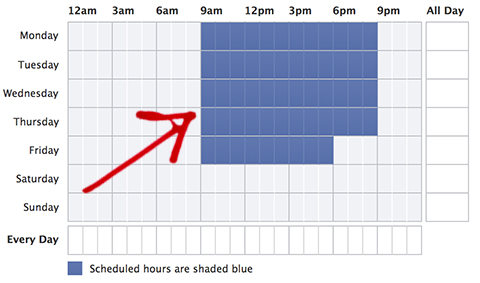
I am looking for a tool similar to "Facebook ads scheduler" in Telerik kindly suggest (http://www.socialmediaexaminer.com/wp-content/uploads/2014/08/fr-image-7.jpg). If the tool does not exists kindly suggest appropriate wpf tools needs to be used. Is there any wpf project already exists on it?
Best Regards,
SYED

Dinko | Tech Support Engineer
Telerik team
answered
on
25 Jul 2016
5 answers
691 views
Hi,
I am trying to do the following:
1) User types in a number which isn't in the dropdown and presses enter. I want to pass this number as a command parameter to my command and the value they typed should stay in the text field - even if that number isn't in the dropdown.
2) If a user selects a value already in the dropdown, then that should be passed as a command parameter to my command.
So far I have been unable to do this as the only values that get passed are the ones selected from the dropdown, I have attached my xaml below:
1.<telerik:RadRibbonComboBox CanAutocompleteSelectItems="False" CanKeyboardNavigationSelectItems="False" DropDownClosed="RadComboBox_OnDropDownClosed" IsFilteringEnabled="True" CommandParameter="{Binding Text, RelativeSource={RelativeSource Self}}" IsEditable="True" IsReadOnly="False" MaxDropDownHeight="400" OpenDropDownOnFocus="True" StaysOpenOnEdit="True" telerik:RadRichTextBoxRibbonUI.RichTextCommand="{Binding MyCommand}" Width="65">2.<telerik:RadRibbonComboBoxItem Content="8"/>3.<telerik:RadRibbonComboBoxItem Content="9"/>4.<telerik:RadRibbonComboBoxItem Content="10"/>5.<telerik:RadRibbonComboBoxItem Content="11"/>6.</telerik:RadRibbonComboBox>
Any help would be much appreciated, thank you.

Martin Ivanov
Telerik team
answered
on
25 Jul 2016
1 answer
168 views
Hello
how can I use keys PageUp and PageDown in the DropDown of an AutoCompleteBox for navigation?
In the DropDown of an Combox it works but not in an AutoCompleteBox.
Thanks
Nasko
Telerik team
answered
on
25 Jul 2016
7 answers
216 views
Hi,
Is there a way to limit the number of filters that can be added using the control? I am using the RadDataFilter with the CanUserCreateCompositeFilters set to false, so there will be no nested queries.
If for example, I wanted to only allow up to 4 query conditions to be set, how would I enforce this? I have looked for a property to set an upper limit, but have not found one.
I have also attempted to enforce this through event handlers in the code-behind. E.g:
Handle the filter controls FilterDescriptors.CollectionChanging event. In this event handler, if the count has reached the limit, then set e.Cancelled to true. This behaves a little strangely because once the limit has been reached, it does in fact stop descriptors being added by cancelling the event (and this can be verified by looking at the control's data in the debugger - the collection count never goes above 4), but the control in the view continually draws new descriptors. It allows you to edit the values of the descriptors and so on, but the query that is executed ignores them. So - I seem to have successfully stopped them being added, but they are still drawn.
Is this behaviour expected, and is there a way to enforce a limit?
Thanks.
Is there a way to limit the number of filters that can be added using the control? I am using the RadDataFilter with the CanUserCreateCompositeFilters set to false, so there will be no nested queries.
If for example, I wanted to only allow up to 4 query conditions to be set, how would I enforce this? I have looked for a property to set an upper limit, but have not found one.
I have also attempted to enforce this through event handlers in the code-behind. E.g:
Handle the filter controls FilterDescriptors.CollectionChanging event. In this event handler, if the count has reached the limit, then set e.Cancelled to true. This behaves a little strangely because once the limit has been reached, it does in fact stop descriptors being added by cancelling the event (and this can be verified by looking at the control's data in the debugger - the collection count never goes above 4), but the control in the view continually draws new descriptors. It allows you to edit the values of the descriptors and so on, but the query that is executed ignores them. So - I seem to have successfully stopped them being added, but they are still drawn.
Is this behaviour expected, and is there a way to enforce a limit?
Thanks.
Stefan
Telerik team
answered
on
22 Jul 2016
1 answer
276 views
In your radgrid view demo code:
Im unable to find grid.ExportToWorkbook();
this line is failing for me:
Workbook currentWorkbook = grid.ExportToWorkbook();
Code:-------------------------------------------------------------------------------------------------------
private static Workbook CreateWorkbook(RadGridView grid, PrintSettings settings)
{
EventHandler<GridViewElementExportingToDocumentEventArgs> elementExporting = (s, e) =>
{
var documentVisualExportParameters = e.VisualParameters as GridViewDocumentVisualExportParameters;
if (documentVisualExportParameters != null)
{
if (e.Element == ExportElement.HeaderRow)
{
if (settings.HeaderBackground != null)
{
documentVisualExportParameters.Style = new CellSelectionStyle() { Fill = new PatternFill(PatternType.Solid, settings.HeaderBackground, settings.HeaderBackground) };
}
}
else if (e.Element == ExportElement.GroupHeaderRow)
{
if (settings.GroupHeaderBackground != null)
{
documentVisualExportParameters.Style = new CellSelectionStyle() { Fill = new PatternFill(PatternType.Solid, settings.GroupHeaderBackground, settings.GroupHeaderBackground) };
}
}
else if (e.Element == ExportElement.Row)
{
if (settings.RowBackground != null)
{
documentVisualExportParameters.Style = new CellSelectionStyle() { Fill = new PatternFill(PatternType.Solid, settings.RowBackground, settings.RowBackground) };
}
}
}
};
grid.ElementExportingToDocument += elementExporting;
Workbook currentWorkbook = grid.ExportToWorkbook();
return currentWorkbook;
}
Im unable to find grid.ExportToWorkbook();
this line is failing for me:
Workbook currentWorkbook = grid.ExportToWorkbook();
Code:-------------------------------------------------------------------------------------------------------
private static Workbook CreateWorkbook(RadGridView grid, PrintSettings settings)
{
EventHandler<GridViewElementExportingToDocumentEventArgs> elementExporting = (s, e) =>
{
var documentVisualExportParameters = e.VisualParameters as GridViewDocumentVisualExportParameters;
if (documentVisualExportParameters != null)
{
if (e.Element == ExportElement.HeaderRow)
{
if (settings.HeaderBackground != null)
{
documentVisualExportParameters.Style = new CellSelectionStyle() { Fill = new PatternFill(PatternType.Solid, settings.HeaderBackground, settings.HeaderBackground) };
}
}
else if (e.Element == ExportElement.GroupHeaderRow)
{
if (settings.GroupHeaderBackground != null)
{
documentVisualExportParameters.Style = new CellSelectionStyle() { Fill = new PatternFill(PatternType.Solid, settings.GroupHeaderBackground, settings.GroupHeaderBackground) };
}
}
else if (e.Element == ExportElement.Row)
{
if (settings.RowBackground != null)
{
documentVisualExportParameters.Style = new CellSelectionStyle() { Fill = new PatternFill(PatternType.Solid, settings.RowBackground, settings.RowBackground) };
}
}
}
};
grid.ElementExportingToDocument += elementExporting;
Workbook currentWorkbook = grid.ExportToWorkbook();
return currentWorkbook;
}
Stefan Nenchev
Telerik team
answered
on
22 Jul 2016
1 answer
340 views
Hi everybody, I am using a RadRichTextBoxRibbonUI in my Notebook control and it's taking some time to load (about 2 seconds). So does anybody have any idea to solve this issue?
<telerik:RadRichTextBoxRibbonUI Grid.Row="0" BackstageClippingElement="{Binding ElementName=uiRichTextBoxParent}" CollapseThresholdSize="50,50" ApplicationButtonContent="File" wpf:UISettings.Identifier="Blue" wpf:UISettings.Type="{x:Type local:RichTextAdvancedControlSetting}" IsMinimized="{wpf:UISettings Path=RibbonUiIsMinimized}" DataContext="{Binding Commands, ElementName=uiRichTextBox}" ApplicationName="" Title="" IsMinimizable="True" MinimizeButtonVisibility="Visible"> <telerik:RadRichTextBoxRibbonUI.Resources> <telerik:FontFamiliesProvider x:Key="FontFamiliesProvider"/> <telerik:EditingContextTypeToBoolConverter x:Key="EditingContextTypeToBoolConverter"/> </telerik:RadRichTextBoxRibbonUI.Resources> <telerik:RadRichTextBoxRibbonUI.Backstage> <telerik:RadRibbonBackstage> <telerik:RadRibbonBackstageItem Header="New" Icon="pack://application:,,,/Telerik.Windows.Controls.RichTextBoxUI;component/Images/MSOffice/16/new.png" IsSelectable="false" telerik:RadRichTextBoxRibbonUI.RichTextCommand="{Binding NewDocumentCommand}"/> <telerik:RadRibbonBackstageItem Header="Open" Icon="pack://application:,,,/Telerik.Windows.Controls.RichTextBoxUI;component/Images/MSOffice/16/open.png" IsSelectable="false" telerik:RadRichTextBoxRibbonUI.RichTextCommand="{Binding OpenDocumentCommand}"/> <telerik:RadRibbonBackstageItem Header="Save" Icon="pack://application:,,,/Telerik.Windows.Controls.RichTextBoxUI;component/Images/MSOffice/16/save.png" IsSelectable="false" telerik:RadRichTextBoxRibbonUI.RichTextCommand="{Binding SaveCommand}"/> <telerik:RadRibbonBackstageItem Header="Save As" Icon="pack://application:,,,/Telerik.Windows.Controls.RichTextBoxUI;component/Images/MSOffice/16/saveas.png" IsDefault="false"> <StackPanel HorizontalAlignment="Stretch" Margin="20,20,0,0" UseLayoutRounding="True"> <TextBlock Foreground="#FF5E5E7C" FontWeight="ExtraBold" FontSize="18" FontFamily="Verdana" Text="Save As"/> <Rectangle Fill="Gray" HorizontalAlignment="Left" Height="1" Width="410"/> <StackPanel Margin="0,30,0,0" Orientation="Horizontal"> <telerik:RadRibbonButton BorderBrush="Gray" CommandParameter="docx" CornerRadius="3" Height="80" telerik:RadRichTextBoxRibbonUI.RichTextCommand="{Binding SaveCommand}" telerik:RadRichTextBoxRibbonUI.ShouldCloseBackstage="True" VerticalContentAlignment="Center" Width="90"> <Image HorizontalAlignment="Center" Source="pack://application:,,,/Telerik.Windows.Controls.RichTextBoxUI;component/Images/MSOffice/ApplicationMenu/worddoc.png" Stretch="None"/> </telerik:RadRibbonButton> <StackPanel Margin="20 0 0 0"> <TextBlock Foreground="#FF5E5E7C" FontWeight="ExtraBold" FontSize="18" Text="Word Document"/> <TextBlock FontSize="13" FontFamily="Verdana" TextWrapping="Wrap" Text="Save the file as a Word document." Width="300"/> </StackPanel> </StackPanel> <StackPanel Margin="0,30,0,0" Orientation="Horizontal"> <telerik:RadRibbonButton BorderBrush="Gray" CommandParameter="pdf" CornerRadius="3" Height="80" telerik:RadRichTextBoxRibbonUI.RichTextCommand="{Binding SaveCommand}" telerik:RadRichTextBoxRibbonUI.ShouldCloseBackstage="True" VerticalContentAlignment="Center" Width="90"> <Image HorizontalAlignment="Center" Source="pack://application:,,,/Telerik.Windows.Controls.RichTextBoxUI;component/Images/MSOffice/ApplicationMenu/Pdf.png" Stretch="None"/> </telerik:RadRibbonButton> <StackPanel Margin="20 0 0 0"> <TextBlock Foreground="#FF5E5E7C" FontWeight="ExtraBold" FontSize="18" Text="PDF Document"/> <TextBlock FontSize="13" FontFamily="Verdana" TextWrapping="Wrap" Text="Save document as a PDF file." Width="300"/> </StackPanel> </StackPanel> <StackPanel Margin="0,30,0,0" Orientation="Horizontal"> <telerik:RadRibbonButton BorderBrush="Gray" CommandParameter="html" CornerRadius="3" Height="80" telerik:RadRichTextBoxRibbonUI.RichTextCommand="{Binding SaveCommand}" telerik:RadRichTextBoxRibbonUI.ShouldCloseBackstage="True" VerticalContentAlignment="Center" Width="90"> <Image HorizontalAlignment="Center" Source="pack://application:,,,/Telerik.Windows.Controls.RichTextBoxUI;component/Images/MSOffice/ApplicationMenu/html.png" Stretch="None"/> </telerik:RadRibbonButton> <StackPanel Margin="20 0 0 0"> <TextBlock Foreground="#FF5E5E7C" FontWeight="ExtraBold" FontSize="18" Text="HTML Document"/> <TextBlock FontSize="13" FontFamily="Verdana" TextWrapping="Wrap" Text="Save the file as a HTML document." Width="300"/> </StackPanel> </StackPanel> <StackPanel Margin="0,30,0,0" Orientation="Horizontal"> <telerik:RadRibbonButton BorderBrush="Gray" CommandParameter="rtf" CornerRadius="3" Height="80" telerik:RadRichTextBoxRibbonUI.RichTextCommand="{Binding SaveCommand}" telerik:RadRichTextBoxRibbonUI.ShouldCloseBackstage="True" VerticalContentAlignment="Center" Width="90"> <Image HorizontalAlignment="Center" Source="pack://application:,,,/Telerik.Windows.Controls.RichTextBoxUI;component/Images/MSOffice/ApplicationMenu/Rtf.png" Stretch="None"/> </telerik:RadRibbonButton> <StackPanel Margin="20 0 0 0"> <TextBlock Foreground="#FF5E5E7C" FontWeight="ExtraBold" FontSize="18" Text="Rich Text Format"/> <TextBlock FontSize="13" FontFamily="Verdana" TextWrapping="Wrap" Text="Save document in Rich Text Format." Width="300"/> </StackPanel> </StackPanel> <StackPanel Margin="0,30,0,0" Orientation="Horizontal"> <telerik:RadRibbonButton BorderBrush="Gray" CommandParameter="txt" CornerRadius="3" Height="80" telerik:RadRichTextBoxRibbonUI.RichTextCommand="{Binding SaveCommand}" telerik:RadRichTextBoxRibbonUI.ShouldCloseBackstage="True" VerticalContentAlignment="Center" Width="90"> <Image HorizontalAlignment="Center" Source="pack://application:,,,/Telerik.Windows.Controls.RichTextBoxUI;component/Images/MSOffice/ApplicationMenu/PlainText.png" Stretch="None"/> </telerik:RadRibbonButton> <StackPanel Margin="20 0 0 0"> <TextBlock Foreground="#FF5E5E7C" FontWeight="ExtraBold" FontSize="18" Text="Plain text"/> <TextBlock FontSize="13" FontFamily="Verdana" TextWrapping="Wrap" Text="Save document in plain text format." Width="300"/> </StackPanel> </StackPanel> <StackPanel Margin="0,30,0,0" Orientation="Horizontal"> <telerik:RadRibbonButton BorderBrush="Gray" CommandParameter="xaml" CornerRadius="3" Height="80" telerik:RadRichTextBoxRibbonUI.RichTextCommand="{Binding SaveCommand}" telerik:RadRichTextBoxRibbonUI.ShouldCloseBackstage="True" VerticalContentAlignment="Center" Width="90"> <Image HorizontalAlignment="Center" Source="pack://application:,,,/Telerik.Windows.Controls.RichTextBoxUI;component/Images/MSOffice/ApplicationMenu/Xaml.png" Stretch="None"/> </telerik:RadRibbonButton> <StackPanel Margin="20 0 0 0"> <TextBlock Foreground="#FF5E5E7C" FontWeight="ExtraBold" FontSize="18" Text="XAML Document"/> <TextBlock FontSize="13" FontFamily="Verdana" TextWrapping="Wrap" Text="Save document as a XAML file." Width="300"/> </StackPanel> </StackPanel> </StackPanel> </telerik:RadRibbonBackstageItem> <telerik:RadRibbonBackstageItem Header="Print" Icon="pack://application:,,,/Telerik.Windows.Controls.RichTextBoxUI;component/Images/MSOffice/16/print.png" IsDefault="true"> <StackPanel HorizontalAlignment="Stretch" Margin="20,20,0,0" UseLayoutRounding="True"> <TextBlock Foreground="#FF5E5E7C" FontWeight="ExtraBold" FontSize="18" FontFamily="Verdana" Text="Print"/> <Rectangle Fill="Gray" HorizontalAlignment="Left" Height="1" Width="410"/> <StackPanel Margin="0,30,0,0" Orientation="Horizontal"> <telerik:RadRibbonButton BorderBrush="Gray" CommandParameter="Native" CornerRadius="3" Height="80" telerik:RadRichTextBoxRibbonUI.RichTextCommand="{Binding PrintCommand}" telerik:RadRichTextBoxRibbonUI.ShouldCloseBackstage="True" VerticalContentAlignment="Center" Width="90"> <Image HorizontalAlignment="Center" Source="pack://application:,,,/Telerik.Windows.Controls.RichTextBoxUI;component/Images/MSOffice/ApplicationMenu/pagesetup.png" Stretch="None"/> </telerik:RadRibbonButton> <StackPanel Margin="20 0 0 0"> <TextBlock Foreground="#FF5E5E7C" FontWeight="ExtraBold" FontSize="18" Text="Native Print"/> <TextBlock FontSize="13" FontFamily="Verdana" TextWrapping="Wrap" Text="Send the document directly to the default printer without making changes." Width="300"/> </StackPanel> </StackPanel> </StackPanel> </telerik:RadRibbonBackstageItem> </telerik:RadRibbonBackstage> </telerik:RadRichTextBoxRibbonUI.Backstage> <telerik:RadRichTextBoxRibbonUI.ContextualGroups> <telerik:RadRibbonContextualGroup x:Name="TableTools" Header="Table Tools"> <telerik:RadRibbonContextualGroup.IsActive> <Binding Converter="{StaticResource EditingContextTypeToBoolConverter}" Mode="OneWay" Path="AssociatedRichTextBox.CurrentEditingContext.Type"> <Binding.ConverterParameter> <telerik:EditingContextTypes>Table</telerik:EditingContextTypes> </Binding.ConverterParameter> </Binding> </telerik:RadRibbonContextualGroup.IsActive> </telerik:RadRibbonContextualGroup> <telerik:RadRibbonContextualGroup x:Name="HeaderFooterTools" Header="Header & Footer Tools"> <telerik:RadRibbonContextualGroup.IsActive> <Binding Converter="{StaticResource EditingContextTypeToBoolConverter}" Mode="OneWay" Path="AssociatedRichTextBox.CurrentEditingContext.Type"> <Binding.ConverterParameter> <telerik:EditingContextTypes>HeaderFooter</telerik:EditingContextTypes> </Binding.ConverterParameter> </Binding> </telerik:RadRibbonContextualGroup.IsActive> </telerik:RadRibbonContextualGroup> </telerik:RadRichTextBoxRibbonUI.ContextualGroups> <telerik:RadRichTextBoxRibbonUI.QuickAccessToolBar> <telerik:QuickAccessToolBar HorizontalAlignment="Left" Width="90"> <telerik:RadRibbonButton telerik:RadRichTextBoxRibbonUI.RichTextCommand="{Binding SaveCommand}" Size="Small" SmallImage="pack://application:,,,/Telerik.Windows.Controls.RichTextBoxUI;component/Images/MSOffice/16/save.png" Text="Save"/> <telerik:RadRibbonSplitButton telerik:RadRichTextBoxRibbonUI.RichTextCommand="{Binding UndoCommand}" Size="Small" SmallImage="pack://application:,,,/Telerik.Windows.Controls.RichTextBoxUI;component/Images/MSOffice/16/undo.png" Text="Undo"> <telerik:RadRibbonSplitButton.DropDownContent> <telerik:MultipleUndoControl telerik:RadRichTextBoxRibbonUI.RichTextCommand="{Binding MultipleUndoCommand}"/> </telerik:RadRibbonSplitButton.DropDownContent> </telerik:RadRibbonSplitButton> <telerik:RadRibbonButton telerik:RadRichTextBoxRibbonUI.RichTextCommand="{Binding RedoCommand}" Size="Small" SmallImage="pack://application:,,,/Telerik.Windows.Controls.RichTextBoxUI;component/Images/MSOffice/16/redo.png" Text="Redo"/> </telerik:QuickAccessToolBar> </telerik:RadRichTextBoxRibbonUI.QuickAccessToolBar> <!--<telerik:RadRibbonTab Header="Tools"> <telerik:RadRibbonGroup Header="Clipboard"> <telerik:RadCollapsiblePanel> <telerik:RadRibbonButton CollapseToSmall="WhenGroupIsMedium" telerik:ScreenTip.Description="Cut the selection and put it on the Clipboard." telerik:RadRichTextBoxRibbonUI.RichTextCommand="{Binding CutCommand}" Size="Medium" SmallImage="pack://application:,,,/Telerik.Windows.Controls.RichTextBoxUI;component/Images/MSOffice/16/cut.png" Text="Cut" telerik:ScreenTip.Title="Cut"/> <telerik:RadRibbonButton CollapseToSmall="WhenGroupIsMedium" telerik:ScreenTip.Description="Copy the selection and put it on the Clipboard." telerik:RadRichTextBoxRibbonUI.RichTextCommand="{Binding CopyCommand}" Size="Medium" SmallImage="pack://application:,,,/Telerik.Windows.Controls.RichTextBoxUI;component/Images/MSOffice/16/copy.png" Text="Copy" telerik:ScreenTip.Title="Copy"/> <telerik:RadRibbonButton CollapseToSmall="WhenGroupIsMedium" telerik:ScreenTip.Description="Paste the contents of the Clipboard." telerik:RadRichTextBoxRibbonUI.RichTextCommand="{Binding PasteCommand}" Size="Medium" SmallImage="pack://application:,,,/Telerik.Windows.Controls.RichTextBoxUI;component/Images/MSOffice/16/paste.png" Text="Paste" telerik:ScreenTip.Title="Paste"/> </telerik:RadCollapsiblePanel> </telerik:RadRibbonGroup> <telerik:RadRibbonGroup DialogLauncherVisibility="Visible" telerik:ScreenTip.Description="Show the font dialog box." Header="Font" telerik:ScreenTip.Icon="pack://application:,,,/Telerik.Windows.Controls.RichTextBoxUI;component/Images/MSOffice/FontDialog.png" telerik:RadRichTextBoxRibbonUI.RichTextCommand="{Binding ShowFontPropertiesDialogCommand}" telerik:ScreenTip.Title="Font"> <telerik:RadOrderedWrapPanel> <StackPanel Orientation="Horizontal"> <telerik:RadRibbonComboBox CanAutocompleteSelectItems="False" CanKeyboardNavigationSelectItems="False" CommandParameter="{Binding SelectedValue, RelativeSource={RelativeSource Self}}" telerik:ScreenTip.Description="Change the font family." IsReadOnly="True" ItemsSource="{Binding RegisteredFonts, Source={StaticResource FontFamiliesProvider}}" MaxDropDownHeight="400" OpenDropDownOnFocus="True" telerik:RadRichTextBoxRibbonUI.RichTextCommand="{Binding ChangeFontFamilyCommand}" telerik:ScreenTip.Title="Font" Width="132"/> <telerik:RadRibbonComboBox CanAutocompleteSelectItems="False" CanKeyboardNavigationSelectItems="False" CommandParameter="{Binding SelectedItem.Tag, RelativeSource={RelativeSource Self}}" telerik:ScreenTip.Description="Change the font size." IsEditable="True" IsReadOnly="True" IsTextSearchEnabled="False" MaxDropDownHeight="400" OpenDropDownOnFocus="True" telerik:RadRichTextBoxRibbonUI.RichTextCommand="{Binding ChangeFontSizeCommand}" telerik:ScreenTip.Title="Font Size" Width="65"> <telerik:RadRibbonComboBoxItem Content="8" Tag="10.67"/> <telerik:RadRibbonComboBoxItem Content="9" Tag="12"/> <telerik:RadRibbonComboBoxItem Content="10" Tag="13.34"/> <telerik:RadRibbonComboBoxItem Content="11" Tag="14.67"/> <telerik:RadRibbonComboBoxItem Content="12" Tag="16"/> <telerik:RadRibbonComboBoxItem Content="14" Tag="18.67"/> <telerik:RadRibbonComboBoxItem Content="16" Tag="21.33"/> <telerik:RadRibbonComboBoxItem Content="18" Tag="24"/> <telerik:RadRibbonComboBoxItem Content="20" Tag="26.67"/> <telerik:RadRibbonComboBoxItem Content="22" Tag="29.33"/> <telerik:RadRibbonComboBoxItem Content="24" Tag="32"/> <telerik:RadRibbonComboBoxItem Content="26" Tag="34.67"/> <telerik:RadRibbonComboBoxItem Content="28" Tag="37.33"/> <telerik:RadRibbonComboBoxItem Content="36" Tag="48"/> <telerik:RadRibbonComboBoxItem Content="48" Tag="64"/> <telerik:RadRibbonComboBoxItem Content="72" Tag="96"/> </telerik:RadRibbonComboBox> </StackPanel> <telerik:RadButtonGroup> <telerik:RadRibbonButton telerik:ScreenTip.Description="Increase the font size." telerik:RadRichTextBoxRibbonUI.RichTextCommand="{Binding IncrementFontSizeCommand}" Size="Small" SmallImage="pack://application:,,,/Telerik.Windows.Controls.RichTextBoxUI;component/Images/MSOffice/16/font-increasesize.png" telerik:ScreenTip.Title="Grow Font"/> <telerik:RadRibbonButton telerik:ScreenTip.Description="Decrease the font size." telerik:RadRichTextBoxRibbonUI.RichTextCommand="{Binding DecrementFontSizeCommand}" Size="Small" SmallImage="pack://application:,,,/Telerik.Windows.Controls.RichTextBoxUI;component/Images/MSOffice/16/font-decreasesize.png" telerik:ScreenTip.Title="Shrink Font"/> </telerik:RadButtonGroup> <telerik:RadButtonGroup> <telerik:RadRibbonButton telerik:ScreenTip.Description="Clear all the formatting from the selection, leaving only the plain text." telerik:RadRichTextBoxRibbonUI.RichTextCommand="{Binding ClearAllFormattingCommand}" Size="Small" SmallImage="pack://application:,,,/Telerik.Windows.Controls.RichTextBoxUI;component/Images/MSOffice/16/ClearFormatting16.png" telerik:ScreenTip.Title="Clear All Formatting"/> </telerik:RadButtonGroup> <telerik:RadButtonGroup> <telerik:RadRibbonToggleButton telerik:ScreenTip.Description="Make the selected text bold." telerik:RadRichTextBoxRibbonUI.RichTextCommand="{Binding ToggleBoldCommand}" Size="Small" SmallImage="pack://application:,,,/Telerik.Windows.Controls.RichTextBoxUI;component/Images/MSOffice/16/bold.png" telerik:ScreenTip.Title="Bold"/> <telerik:RadRibbonToggleButton telerik:ScreenTip.Description="Italicize the selected text." telerik:RadRichTextBoxRibbonUI.RichTextCommand="{Binding ToggleItalicCommand}" Size="Small" SmallImage="pack://application:,,,/Telerik.Windows.Controls.RichTextBoxUI;component/Images/MSOffice/16/italic.png" telerik:ScreenTip.Title="Italic"/> <telerik:RadRibbonSplitButton telerik:ScreenTip.Description="Underline the selected text." IsToggle="True" telerik:RadRichTextBoxRibbonUI.RichTextCommand="{Binding ToggleUnderlineCommand}" SmallImage="pack://application:,,,/Telerik.Windows.Controls.RichTextBoxUI;component/Images/MSOffice/16/underline.png" telerik:ScreenTip.Title="Underline"> <telerik:RadRibbonSplitButton.DropDownContent> <telerik:RadGallery Height="210" ItemWidth="156" ItemHeight="26" telerik:RadRichTextBoxRibbonUI.RichTextCommand="{Binding ChangeUnderlineDecorationCommand}" ViewportWidth="157"> <telerik:RadGalleryItem Image="pack://application:,,,/Telerik.Windows.Controls.RichTextBoxUI;component/Images/MSOffice/underline1.png" Tag="Line"/> <telerik:RadGalleryItem Image="pack://application:,,,/Telerik.Windows.Controls.RichTextBoxUI;component/Images/MSOffice/underline2.png" Tag="DoubleLine"/> <telerik:RadGalleryItem Image="pack://application:,,,/Telerik.Windows.Controls.RichTextBoxUI;component/Images/MSOffice/underline3.png" Tag="ThickLine"/> <telerik:RadGalleryItem Image="pack://application:,,,/Telerik.Windows.Controls.RichTextBoxUI;component/Images/MSOffice/underline4.png" Tag="DottedLine"/> <telerik:RadGalleryItem Image="pack://application:,,,/Telerik.Windows.Controls.RichTextBoxUI;component/Images/MSOffice/underline5.png" Tag="DashedLine"/> <telerik:RadGalleryItem Image="pack://application:,,,/Telerik.Windows.Controls.RichTextBoxUI;component/Images/MSOffice/underline6.png" Tag="DotDashedLine"/> <telerik:RadGalleryItem Image="pack://application:,,,/Telerik.Windows.Controls.RichTextBoxUI;component/Images/MSOffice/underline7.png" Tag="DotDotDashedLine"/> <telerik:RadGalleryItem Image="pack://application:,,,/Telerik.Windows.Controls.RichTextBoxUI;component/Images/MSOffice/underline8.png" Tag="Wave"/> </telerik:RadGallery> </telerik:RadRibbonSplitButton.DropDownContent> </telerik:RadRibbonSplitButton> <telerik:RadRibbonToggleButton telerik:ScreenTip.Description="Draw a line through the middle of the selected text." telerik:RadRichTextBoxRibbonUI.RichTextCommand="{Binding ToggleStrikethroughCommand}" Size="Small" SmallImage="pack://application:,,,/Telerik.Windows.Controls.RichTextBoxUI;component/Images/MSOffice/16/Strikethrough16.png" telerik:ScreenTip.Title="Strikethrough"/> <telerik:RadRibbonToggleButton telerik:ScreenTip.Description="Create small letters below the text baseline." telerik:RadRichTextBoxRibbonUI.RichTextCommand="{Binding ToggleSubscriptCommand}" Size="Small" SmallImage="pack://application:,,,/Telerik.Windows.Controls.RichTextBoxUI;component/Images/MSOffice/16/subscript.png" telerik:ScreenTip.Title="Subscript"/> <telerik:RadRibbonToggleButton telerik:ScreenTip.Description="Create small text above the line of text." telerik:RadRichTextBoxRibbonUI.RichTextCommand="{Binding ToggleSuperscriptCommand}" Size="Small" SmallImage="pack://application:,,,/Telerik.Windows.Controls.RichTextBoxUI;component/Images/MSOffice/16/superscript.png" telerik:ScreenTip.Title="Superscript"/> </telerik:RadButtonGroup> <telerik:RadButtonGroup> <telerik:HighlightColorPicker AutomaticColor="Transparent" BorderThickness="0" telerik:ScreenTip.Description="Make text look like it was marked with a highlighter pen." Image="pack://application:,,,/Telerik.Windows.Controls.RichTextBoxUI;component/Images/MSOffice/16/highlight.png" NoColorText="No color" telerik:RadRichTextBoxRibbonUI.RichTextCommand="{Binding ChangeFontHighlightColorCommand}" SelectedColor="Yellow" telerik:ScreenTip.Title="Text Highlight Color"/> <telerik:HighlightColorPicker BorderThickness="0" telerik:ScreenTip.Description="Change the text color." Image="pack://application:,,,/Telerik.Windows.Controls.RichTextBoxUI;component/Images/MSOffice/16/FontForeColor.png" telerik:RadRichTextBoxRibbonUI.RichTextCommand="{Binding ChangeFontForeColorCommand}" SelectedColor="Red" telerik:ScreenTip.Title="Font Color"/> </telerik:RadButtonGroup> </telerik:RadOrderedWrapPanel> </telerik:RadRibbonGroup> <telerik:RadRibbonGroup DialogLauncherVisibility="Visible" telerik:ScreenTip.Description="Show the Paragraph dialog box." Header="Paragraph" telerik:ScreenTip.Icon="pack://application:,,,/Telerik.Windows.Controls.RichTextBoxUI;component/Images/MSOffice/PropertiesDialog.png" telerik:RadRichTextBoxRibbonUI.RichTextCommand="{Binding ShowParagraphPropertiesDialogCommand}" telerik:ScreenTip.Title="Paragraph"> <telerik:RadOrderedWrapPanel> <telerik:RadButtonGroup> <telerik:RadRibbonToggleButton telerik:ScreenTip.Description="Start a bulleted list." telerik:RadRichTextBoxRibbonUI.RichTextCommand="{Binding ToggleBulletsCommand}" Size="Small" SmallImage="pack://application:,,,/Telerik.Windows.Controls.RichTextBoxUI;component/Images/MSOffice/16/list-bullets.png" telerik:ScreenTip.Title="Bullets"/> <telerik:RadRibbonToggleButton telerik:ScreenTip.Description="Start a numbered list." telerik:RadRichTextBoxRibbonUI.RichTextCommand="{Binding ToggleNumberedCommand}" Size="Small" SmallImage="pack://application:,,,/Telerik.Windows.Controls.RichTextBoxUI;component/Images/MSOffice/16/list-numbered.png" telerik:ScreenTip.Title="Numbering"/> <telerik:RadRibbonDropDownButton telerik:ScreenTip.Description="Start a multilevel list. Click the arrow to choose different multilevel list styles." Size="Small" SmallImage="pack://application:,,,/Telerik.Windows.Controls.RichTextBoxUI;component/Images/MSOffice/16/MultilevelList.png" telerik:ScreenTip.Title="Multilevel List"> <telerik:RadRibbonDropDownButton.DropDownContent> <StackPanel> <ScrollViewer MaxHeight="565"> <StackPanel> <telerik:RadGroupHeader Content="List Library"/> <telerik:RadGallery Height="176" ItemWidth="88" ItemHeight="88" telerik:RadRichTextBoxRibbonUI.RichTextCommand="{Binding ChangeListStyleCommand}" ScrollViewer.VerticalScrollBarVisibility="Disabled" ViewportWidth="266"> <telerik:RadGalleryItem Image="pack://application:,,,/Telerik.Windows.Controls.RichTextBoxUI;component/Images/MSOffice/MultilevelListNone.png" Tag="None"/> <telerik:RadGalleryItem Image="pack://application:,,,/Telerik.Windows.Controls.RichTextBoxUI;component/Images/MSOffice/MultilevelListBulleted.png" Tag="Bulleted"/> <telerik:RadGalleryItem Image="pack://application:,,,/Telerik.Windows.Controls.RichTextBoxUI;component/Images/MSOffice/MultilevelListNumbered.png" Tag="Numbered"/> <telerik:RadGalleryItem Image="pack://application:,,,/Telerik.Windows.Controls.RichTextBoxUI;component/Images/MSOffice/MultilevelListNumberedParenthesis.png" Tag="NumberedParenthesis"/> <telerik:RadGalleryItem Image="pack://application:,,,/Telerik.Windows.Controls.RichTextBoxUI;component/Images/MSOffice/MultilevelListNumberedHierarchical.png" Tag="NumberedHierarchical"/> </telerik:RadGallery> <telerik:ListStylesGallery AssociatedRichTextBox="{Binding AssociatedRichTextBox, Mode=OneWay}"/> </StackPanel> </ScrollViewer> <telerik:RadRibbonButton HorizontalAlignment="Stretch" telerik:RadRichTextBoxRibbonUI.RichTextCommand="{Binding ShowDefineNewListStyleDialogCommand}" Size="Medium" Text="Define New List Style ..."/> </StackPanel> </telerik:RadRibbonDropDownButton.DropDownContent> </telerik:RadRibbonDropDownButton> </telerik:RadButtonGroup> <telerik:RadButtonGroup> <telerik:RadRibbonButton telerik:ScreenTip.Description="Decrease the indent level of the paragraph." telerik:RadRichTextBoxRibbonUI.RichTextCommand="{Binding DecrementParagraphLeftIndentCommand}" Size="Small" SmallImage="pack://application:,,,/Telerik.Windows.Controls.RichTextBoxUI;component/Images/MSOffice/16/outdent.png" telerik:ScreenTip.Title="Decrease Indent"/> <telerik:RadRibbonButton telerik:ScreenTip.Description="Increase the indent level of the paragraph." telerik:RadRichTextBoxRibbonUI.RichTextCommand="{Binding IncrementParagraphLeftIndentCommand}" Size="Small" SmallImage="pack://application:,,,/Telerik.Windows.Controls.RichTextBoxUI;component/Images/MSOffice/16/indent.png" telerik:ScreenTip.Title="Increase Indent"/> </telerik:RadButtonGroup> <telerik:RadButtonGroup> <telerik:RadRibbonToggleButton telerik:ScreenTip.Description="Set the direction of text to be displayed from left to right." telerik:RadRichTextBoxRibbonUI.RichTextCommand="{Binding ChangeParagraphFlowDirectionCommand}" Size="Small" SmallImage="pack://application:,,,/Telerik.Windows.Controls.RichTextBoxUI;component/Images/MSOffice/16/LeftToRightFlowDirection.png" Text="Left-to-Right Text Direction" telerik:ScreenTip.Title="Left-To-Right Text Direction"> <telerik:RadRibbonToggleButton.CommandParameter> <FlowDirection>LeftToRight</FlowDirection> </telerik:RadRibbonToggleButton.CommandParameter> </telerik:RadRibbonToggleButton> <telerik:RadRibbonToggleButton telerik:ScreenTip.Description="Set the direction of text to be displayed from right to left." telerik:RadRichTextBoxRibbonUI.RichTextCommand="{Binding ChangeParagraphFlowDirectionCommand}" Size="Small" SmallImage="pack://application:,,,/Telerik.Windows.Controls.RichTextBoxUI;component/Images/MSOffice/16/RightToLeftFlowDirection.png" Text="Right-to-Left Text Direction" telerik:ScreenTip.Title="Right-To-Left Text Direction"> <telerik:RadRibbonToggleButton.CommandParameter> <FlowDirection>RightToLeft</FlowDirection> </telerik:RadRibbonToggleButton.CommandParameter> </telerik:RadRibbonToggleButton> </telerik:RadButtonGroup> <telerik:RadButtonGroup> <telerik:RadRibbonToggleButton telerik:ScreenTip.Description="Show paragraph marks and other hidden formatting symbols." telerik:RadRichTextBoxRibbonUI.RichTextCommand="{Binding ToggleFormattingSymbolsCommand}" Size="Small" SmallImage="pack://application:,,,/Telerik.Windows.Controls.RichTextBoxUI;component/Images/MSOffice/16/formatting-symbols.png" telerik:ScreenTip.Title="Show/Hide Formatting Symbols"/> </telerik:RadButtonGroup> <telerik:RadButtonGroup> <telerik:RadRibbonToggleButton CommandParameter="Left" telerik:ScreenTip.Description="Align text to the left." telerik:RadRichTextBoxRibbonUI.RichTextCommand="{Binding ChangeTextAlignmentCommand}" Size="Small" SmallImage="pack://application:,,,/Telerik.Windows.Controls.RichTextBoxUI;component/Images/MSOffice/16/alignleft.png" Text="Align Left" telerik:ScreenTip.Title="Align Text Left"/> <telerik:RadRibbonToggleButton CommandParameter="Center" telerik:ScreenTip.Description="Center text." telerik:RadRichTextBoxRibbonUI.RichTextCommand="{Binding ChangeTextAlignmentCommand}" Size="Small" SmallImage="pack://application:,,,/Telerik.Windows.Controls.RichTextBoxUI;component/Images/MSOffice/16/aligncenter.png" Text="Center" telerik:ScreenTip.Title="Center"/> <telerik:RadRibbonToggleButton CommandParameter="Right" telerik:ScreenTip.Description="Align text to the right." telerik:RadRichTextBoxRibbonUI.RichTextCommand="{Binding ChangeTextAlignmentCommand}" Size="Small" SmallImage="pack://application:,,,/Telerik.Windows.Controls.RichTextBoxUI;component/Images/MSOffice/16/alignright.png" Text="Align Right" telerik:ScreenTip.Title="Align Text Right"/> <telerik:RadRibbonToggleButton CommandParameter="Justify" telerik:ScreenTip.Description="Align text to both left and right margins, adding extra space between words as necessary." telerik:RadRichTextBoxRibbonUI.RichTextCommand="{Binding ChangeTextAlignmentCommand}" Size="Small" SmallImage="pack://application:,,,/Telerik.Windows.Controls.RichTextBoxUI;component/Images/MSOffice/16/alignjustify.png" Text="Justify" telerik:ScreenTip.Title="Justify"/> </telerik:RadButtonGroup> <telerik:RadButtonGroup> <telerik:HighlightColorPicker AutomaticColor="Transparent" BorderThickness="0" telerik:ScreenTip.Description="Color the background behind the selected paragraph." Image="pack://application:,,,/Telerik.Windows.Controls.RichTextBoxUI;component/Images/MSOffice/16/ParagraphBackgroundColor.png" NoColorText="No color" telerik:RadRichTextBoxRibbonUI.RichTextCommand="{Binding ChangeParagraphBackgroundColorCommand}" SelectedColor="Transparent" telerik:ScreenTip.Title="Shading"/> </telerik:RadButtonGroup> </telerik:RadOrderedWrapPanel> </telerik:RadRibbonGroup> <telerik:RadRibbonGroup Header="Editing & Proofing"> <telerik:RadCollapsiblePanel> <telerik:RadRibbonButton CollapseToSmall="WhenGroupIsMedium" telerik:ScreenTip.Description="Find or replace text in the document." telerik:RadRichTextBoxRibbonUI.RichTextCommand="{Binding ShowFindReplaceDialogCommand}" Size="Medium" SmallImage="pack://application:,,,/Telerik.Windows.Controls.RichTextBoxUI;component/Images/MSOffice/16/Find.png" Text="Find/Replace" telerik:ScreenTip.Title="Find/Replace"/> <telerik:RadRibbonToggleButton CollapseToSmall="WhenGroupIsMedium" telerik:ScreenTip.Description="Enable/Disable spell checking." telerik:RadRichTextBoxRibbonUI.RichTextCommand="{Binding ToggleSpellCheckingCommand}" Size="Medium" SmallImage="pack://application:,,,/Telerik.Windows.Controls.RichTextBoxUI;component/Images/MSOffice/16/EnableSpellCheck.png" Text="Enable Spell Check" telerik:ScreenTip.Title="Spell Check"/> <telerik:RadRibbonButton CollapseToSmall="WhenGroupIsMedium" telerik:ScreenTip.Description="Open context menu on next spelling error." telerik:RadRichTextBoxRibbonUI.RichTextCommand="{Binding OpenContextMenuOnNextSpellingErrorCommand}" Size="Medium" SmallImage="pack://application:,,,/Telerik.Windows.Controls.RichTextBoxUI;component/Images/MSOffice/16/FindNextSpellingError.png" Text="Find Next Error" telerik:ScreenTip.Title="Next Error"/> </telerik:RadCollapsiblePanel> </telerik:RadRibbonGroup> <telerik:RadRibbonGroup Header="Styles"> <telerik:StylesGallery AssociatedRichTextBox="{Binding AssociatedRichTextBox, Mode=OneWay}"/> <telerik:RadRibbonButton telerik:ScreenTip.Description="Change the set of styles, colors, fonts and paragraph spacing used in this document." LargeImage="pack://application:,,,/Telerik.Windows.Controls.RichTextBoxUI;component/Images/MSOffice/32/ChangeStyles.png" telerik:RadRichTextBoxRibbonUI.RichTextCommand="{Binding ShowManageStylesDialogCommand}" Size="Large" Text="Change Styles" telerik:ScreenTip.Title="Change Styles"/> </telerik:RadRibbonGroup> <telerik:RadRibbonGroup/> </telerik:RadRibbonTab> <telerik:RadRibbonTab Header="Insert"> <telerik:RadRibbonGroup Header="Pages"> <telerik:RadRibbonButton telerik:ScreenTip.Description="Start the next page at the current position." LargeImage="pack://application:,,,/Telerik.Windows.Controls.RichTextBoxUI;component/Images/MSOffice/32/PageBreak.png" telerik:RadRichTextBoxRibbonUI.RichTextCommand="{Binding InsertPageBreakCommand}" Size="Large" Text="Page Break" telerik:ScreenTip.Title="Page Break"/> </telerik:RadRibbonGroup> <telerik:RadRibbonGroup Header="Tables"> <telerik:RadRibbonDropDownButton CollapseToMedium="WhenGroupIsMedium" Command="{Binding InsertTableCommand}" telerik:ScreenTip.Description="Insert a table into the document." LargeImage="pack://application:,,,/Telerik.Windows.Controls.RichTextBoxUI;component/Images/MSOffice/32/InsertTable.png" Size="Large" Text="Table" telerik:ScreenTip.Title="Table"> <telerik:RadRibbonDropDownButton.DropDownContent> <StackPanel> <telerik:RadRibbonButton ClickMode="Press"> <telerik:TableSizePicker Command="{Binding InsertTableCommand}"/> </telerik:RadRibbonButton> <telerik:RadMenuItem IsSeparator="True"/> <telerik:RadRibbonButton HorizontalAlignment="Stretch" telerik:RadRichTextBoxRibbonUI.RichTextCommand="{Binding ShowInsertTableDialogCommand}" Size="Medium" SmallImage="pack://application:,,,/Telerik.Windows.Controls.RichTextBoxUI;component/Images/MSOffice/16/InsertTable.png" Text="Insert Table..."/> </StackPanel> </telerik:RadRibbonDropDownButton.DropDownContent> </telerik:RadRibbonDropDownButton> </telerik:RadRibbonGroup> <telerik:RadRibbonGroup Header="Illustrations"> <telerik:RadRibbonButton telerik:ScreenTip.Description="Insert a picture from a file." LargeImage="pack://application:,,,/Telerik.Windows.Controls.RichTextBoxUI;component/Images/MSOffice/32/Picture.png" telerik:RadRichTextBoxRibbonUI.RichTextCommand="{Binding InsertPictureCommand}" Size="Large" Text="Picture" telerik:ScreenTip.Title="Insert Picture from File"/> </telerik:RadRibbonGroup> <telerik:RadRibbonGroup Header="Links"> <telerik:RadRibbonButton telerik:ScreenTip.Description="Create a link to a Web page, a picture or an e-mail address." LargeImage="pack://application:,,,/Telerik.Windows.Controls.RichTextBoxUI;component/Images/MSOffice/32/inserthyperlink.png" telerik:RadRichTextBoxRibbonUI.RichTextCommand="{Binding ShowInsertHyperlinkDialogCommand}" Size="Large" Text="Hyperlink" telerik:ScreenTip.Title="Insert Hyperlink"/> <telerik:RadRibbonButton telerik:ScreenTip.Description="Create a bookmark to assign a name to a specific point in a document." LargeImage="pack://application:,,,/Telerik.Windows.Controls.RichTextBoxUI;component/Images/MSOffice/32/InsertBookmark.png" telerik:RadRichTextBoxRibbonUI.RichTextCommand="{Binding ShowManageBookmarksDialogCommand}" Size="Large" Text="Bookmark" telerik:ScreenTip.Title="Bookmark"/> <telerik:RadRibbonButton telerik:ScreenTip.Description="Refer to items such as headings, figures and tables." LargeImage="pack://application:,,,/Telerik.Windows.Controls.RichTextBoxUI;component/Images/MSOffice/32/InsertCrossReference.png" telerik:RadRichTextBoxRibbonUI.RichTextCommand="{Binding ShowInsertCrossReferenceWindowCommand}" Size="Large" Text="Cross-reference" telerik:ScreenTip.Title="Cross-reference"/> </telerik:RadRibbonGroup> <telerik:RadRibbonGroup Header="Comments"> <telerik:RadRibbonButton telerik:ScreenTip.Description="Add a comment about the selection." LargeImage="pack://application:,,,/Telerik.Windows.Controls.RichTextBoxUI;component/Images/MSOffice/32/NewComment.png" telerik:RadRichTextBoxRibbonUI.RichTextCommand="{Binding InsertCommentCommand}" Size="Large" Text="New Comment" telerik:ScreenTip.Title="Insert Comment"/> </telerik:RadRibbonGroup> <telerik:RadRibbonGroup Header="Header & Footer"> <telerik:RadRibbonButton telerik:ScreenTip.Description="Edit the header of the document." LargeImage="pack://application:,,,/Telerik.Windows.Controls.RichTextBoxUI;component/Images/MSOffice/32/EditHeader.png" telerik:RadRichTextBoxRibbonUI.RichTextCommand="{Binding EditHeaderCommand}" Size="Large" Text="Header" telerik:ScreenTip.Title="Header"/> <telerik:RadRibbonButton telerik:ScreenTip.Description="Edit the footer of the document." LargeImage="pack://application:,,,/Telerik.Windows.Controls.RichTextBoxUI;component/Images/MSOffice/32/EditFooter.png" telerik:RadRichTextBoxRibbonUI.RichTextCommand="{Binding EditFooterCommand}" Size="Large" Text="Footer" telerik:ScreenTip.Title="Footer"/> </telerik:RadRibbonGroup> <telerik:RadRibbonGroup Header="Text"> <telerik:RadRibbonButton telerik:ScreenTip.Description="Insert the current date or time into the current document." LargeImage="pack://application:,,,/Telerik.Windows.Controls.RichTextBoxUI;component/Images/MSOffice/32/InsertDateTime.png" telerik:RadRichTextBoxRibbonUI.RichTextCommand="{Binding ShowInsertDateTimeDialogCommand}" Size="Large" Text="Date & Time" telerik:ScreenTip.Title="Insert Date and Time"/> <telerik:RadRibbonButton telerik:ScreenTip.Description="Insert page numbers into the document." LargeImage="pack://application:,,,/Telerik.Windows.Controls.RichTextBoxUI;component/Images/MSOffice/32/InsertPageNumber.png" telerik:RadRichTextBoxRibbonUI.RichTextCommand="{Binding InsertPageFieldCommand}" Size="Large" Text="Page Number" telerik:ScreenTip.Title="Insert Page Number"/> <telerik:RadRibbonButton telerik:ScreenTip.Description="Insert block containing formatted programming source code." LargeImage="pack://application:,,,/Telerik.Windows.Controls.RichTextBoxUI;component/Images/MSOffice/32/CodeBlock.png" telerik:RadRichTextBoxRibbonUI.RichTextCommand="{Binding ShowCodeFormattingDialogCommand}" Size="Large" Text="Code" telerik:ScreenTip.Title="Insert Code Block"/> </telerik:RadRibbonGroup> <telerik:RadRibbonGroup Header="Symbols"> <telerik:RadRibbonButton telerik:ScreenTip.Description="Insert symbols that are not on your keyboard, such as copyright symbols, trademark symbols, paragraph marks, and Unicode characters." LargeImage="pack://application:,,,/Telerik.Windows.Controls.RichTextBoxUI;component/Images/MSOffice/32/Symbol.png" telerik:RadRichTextBoxRibbonUI.RichTextCommand="{Binding ShowInsertSymbolWindowCommand}" Size="Large" Text="Symbol" telerik:ScreenTip.Title="Insert Symbol"/> </telerik:RadRibbonGroup> </telerik:RadRibbonTab>--> </telerik:RadRichTextBoxRibbonUI>
Kiril Vandov
Telerik team
answered
on
22 Jul 2016