Introducing the Progress Agentic RAG .NET SDK

Summarize with AI:
The .NET SDK for Progress Agentic RAG provides Retrieval-Augmented Generation (RAG) capabilities to .NET development with knowledge base management, AI-powered search and resource operations.
What Is Progress Agentic RAG?
Progress Agentic RAG is a RAG-as-a-Service that makes it dramatically easier to build AI systems grounded in real, trusted content. Rather than wiring together vector databases, embedding pipelines and retrieval logic yourself, Progress Agentic RAG provides an end-to-end platform for indexing, understanding and retrieving multimodal data.
It enables intelligent, agent-driven workflows that combine structured knowledge, contextual search and LLM orchestration into a unified experience.
With the introduction of the .NET SDK for Progress Agentic RAG, .NET developers can integrate this capability directly into their applications with just a few lines of code, leveraging modern .NET architecture patterns such as dependency injection, async workflows and strongly typed APIs.
From Retrieval to Agentic Intelligence
Progress Agentic RAG offers a fully capable AI Search Dashboard solution that allows you to get started in a matter of minutes. Simply connect or upload your data to a Knowledge Box, wait for NucliaDB’s blazing-fast indexing engine to process it, and you’re ready to explore grounded, contextual AI responses.
That immediate productivity is powerful. But modern enterprise development requires more than a dashboard.
Enterprise environments demand typed APIs, strong tooling and predictable behavior. Many RAG solutions are Python-first, leaving .NET teams stitching together REST calls manually and building custom abstractions just to regain the ergonomics they expect from their platform.
The new .NET SDK changes that.
It provides:
- Strongly typed APIs
- Async-first patterns
- Native .NET integration
- Simplified knowledge base interaction
With these capabilities, you can move beyond simple retrieval and begin composing intelligent, agent-driven experiences directly inside your application architecture. As powerful as it is convenient, the .NET SDK makes a great choice for new AI-enabled .NET applications.
Getting Started
Once a Knowledge Box has been established, you can begin interacting with Progress Agentic RAG through the .NET SDK.
The SDK is distributed as a NuGet package and covers the complete NucliaDB REST API. That includes strongly typed models, structured output helpers, dependency injection extensions and more than 200 APIs that expose the full surface area of the platform. See the SDK documentation page for a comprehensive list of service providers available.
Install the NuGet Package
dotnet add package Progress.NucliaWith the package installed, you can register the INucliaDb interface using modern dependency injection patterns. The SDK supports everything from basic configuration to advanced multi-tenant scenarios using keyed services.
Register the Client
using Progress.Nuclia.Extensions;

// Create configuration
var config = new NucliaDbConfig(
    ZoneId: "aws-us-east-2-1",
    KnowledgeBoxId: "your-knowledge-box-id",
    ApiKey: "your-api-key"
);

// Register with logging
builder.Services.AddNucliaDb(config).UseLogging();
This approach aligns naturally with ASP.NET Core’s architecture. You configure once, inject where needed, and keep your AI integration cleanly separated from business logic.
Ask Questions with Agentic RAG
With configuration complete, you can begin querying your Knowledge Box using AskAsync or AskStreamingAsync.
// Make request
AskRequest askRequest = new("What issues are driving the most customer escalations this quarter?");
var response = await client.Search.AskAsync(askRequest);

// Display answer
Console.WriteLine(response.Data.Answer);
In just a few lines of code, you’re executing a grounded, agent-driven query against indexed enterprise data.
The Ask functionality is only the beginning. With more than 200 APIs available in the SDK, you can ingest and manage resources, create conversational interactions and perform search, all using strongly typed, async-first C# patterns.
With structured configuration and native .NET integration in place, you can move from experimentation to production-ready AI systems with confidence.
Explore the Examples: Blazor and .NET MAUI
The fastest way to understand what Progress Agentic RAG can do in a real application is to see it running inside the frameworks you already use.
We’ve published hands-on examples built with:
- Blazor — showcasing grounded AI experiences in modern web applications
- NET MAUI — demonstrating cross-platform, AI-powered mobile and desktop apps
These samples go beyond simple API calls. They show how to:
- Register the SDK using dependency injection
- Execute agentic queries with structured output
- Stream responses into interactive UI components
- Keep AI concerns cleanly separated from presentation logic
If you’re building internal tools, customer-facing dashboards or cross-platform AI assistants, these examples provide a production-oriented starting point.
Clone the samples, wire up your Knowledge Box and see how quickly you can integrate grounded, agent-driven intelligence into your existing .NET architecture.
Additional Media
Learn more about Progress Agentic RAG and the .NET SDK from video tutorials and podcasts:
- The Progress Agentic RAG .NET SDK was featured on episode 1997 of .NET Rocks: .NET Rocks! Agentic RAG with Ed Charbeneau
- Getting started videos by Jeff (Csharp) Fritz
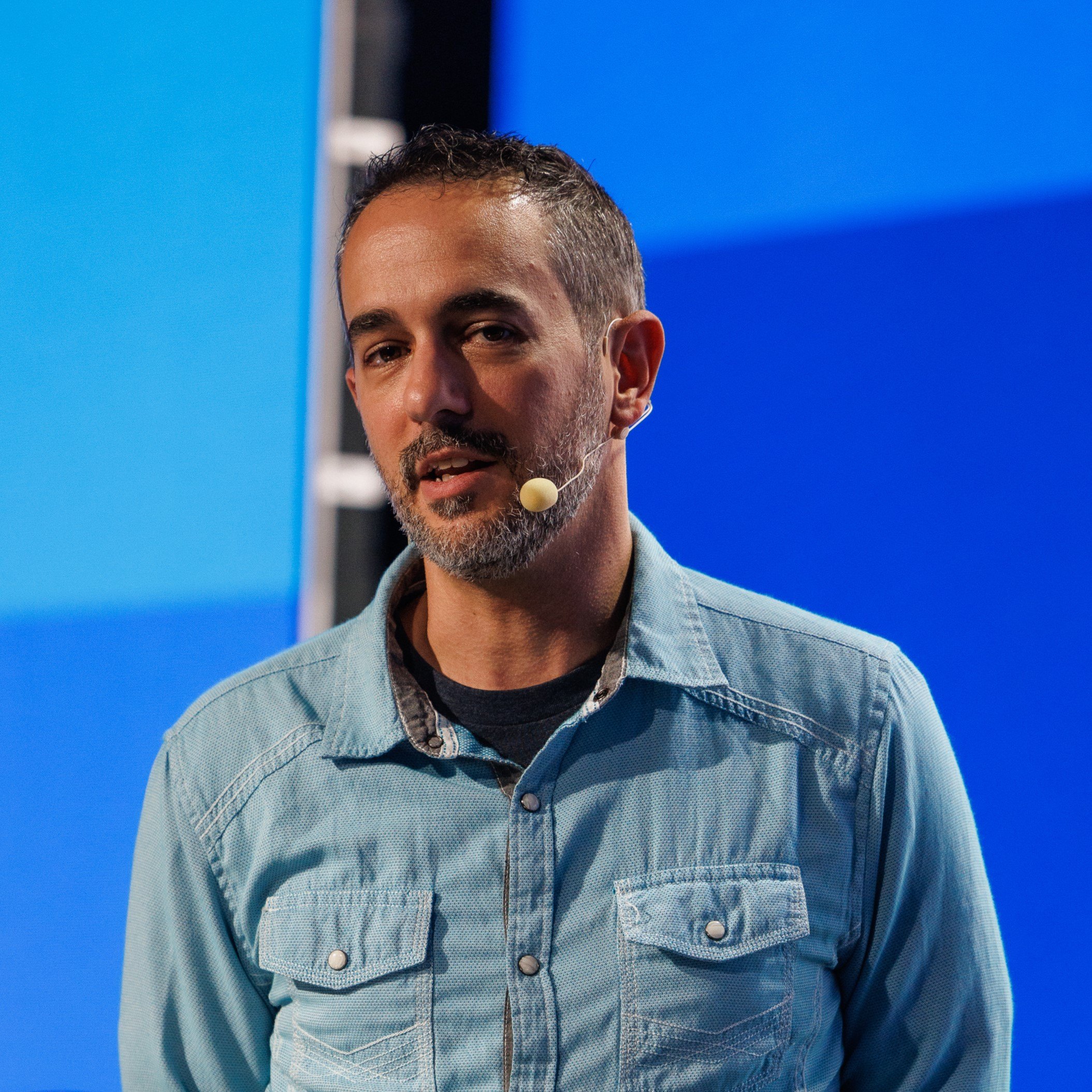
Ed Charbeneau
Ed
Related Posts
Comments
All articles
Topics
Web MobileMobile
Desktop
Design
Productivity
People